Every year, the skateboarding world produces hundreds of video parts — full sections, shared parts, quick clips, and full-length videos. Most are forgotten within weeks. A few define the year. 2025 was a strong year for skateboarding video, with several parts that pushed technical boundaries, redefined style, and introduced new names to the conversation.
Here is a look at the video parts that stood out in 2025 — the ones skaters kept rewatching, discussing, and drawing inspiration from.
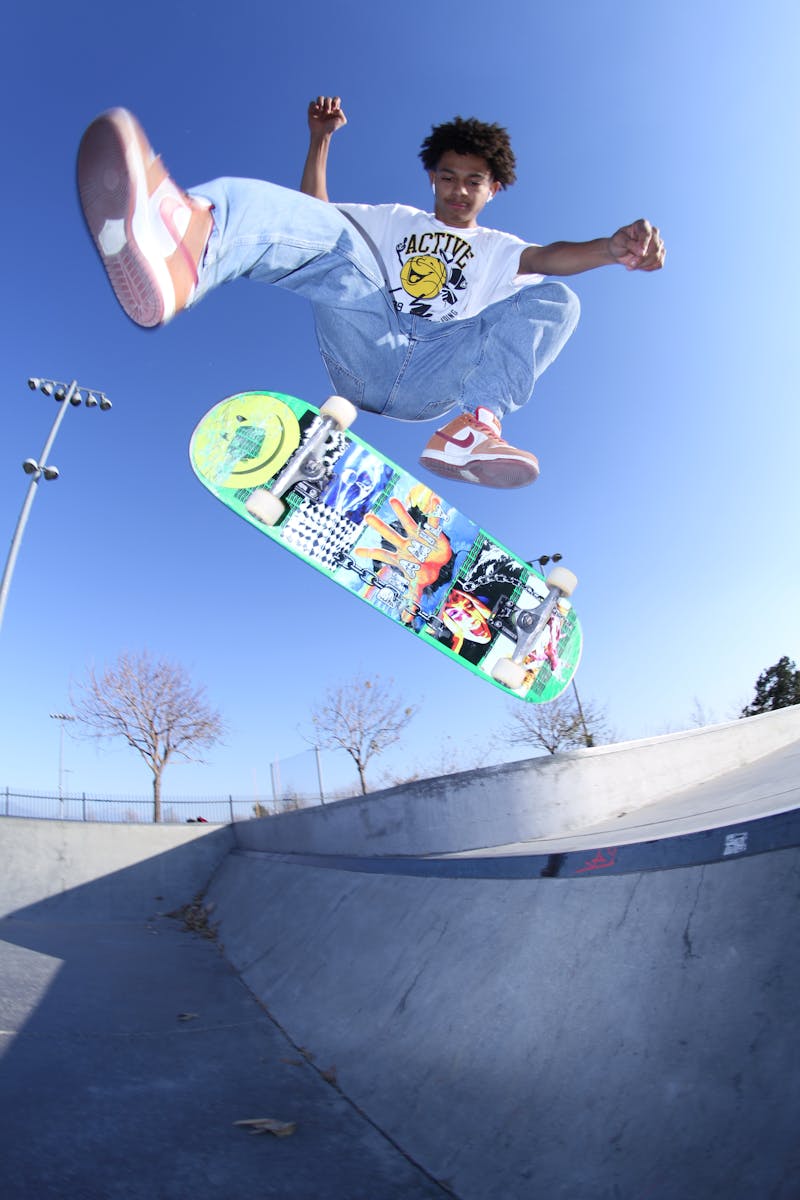
The Year of the Full-Length Video
After years of the skate industry shifting toward short Instagram clips and one-minute edits, 2025 marked a return to the full-length skateboarding video. Several major brands released complete videos with dedicated parts for each team rider — a format many feared was dying.
This shift matters because a full video part demands sustained effort. A 3-minute section with consistent quality, filmed over months or years, tells you something different about a skater than a 30-second Instagram reel. It shows endurance, creativity under pressure, and the ability to build a narrative through trick selection and spot choice.
Breakout Amateur Parts
Every year produces a handful of unknown amateurs who explode onto the scene with a single video part. 2025 was no exception. Several young skaters released debut parts that immediately put them in the conversation for board sponsorship and professional status.
What set the best amateur parts apart was not just technical ability — plenty of young skaters can kickflip down big stairs. It was the combination of spot selection, line construction, and personal style. The parts that resonated were the ones where you could tell the skater had a point of view, not just a trick list.
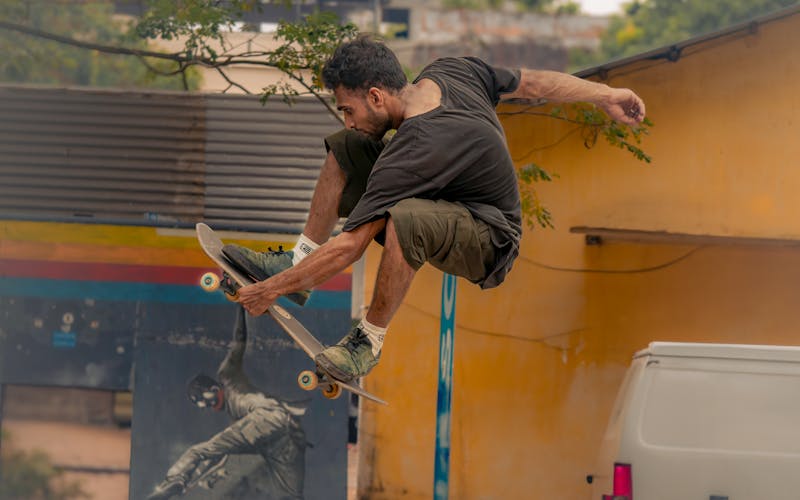
Veteran Pros Still Pushing
Some of the best parts of 2025 came from skaters who have been professional for a decade or more. These veterans brought something that younger skaters are still developing — an unmistakable personal style honed over thousands of sessions. Their trick selection was refined rather than flashy, their spot choices deliberate rather than random.
There is something deeply satisfying about watching a pro in their 30s or 40s still producing relevant video parts. It challenges the narrative that skateboarding is only a young person's pursuit and proves that longevity and consistency are their own kind of progression.
International Representation
One of the most encouraging trends of 2025 was the geographic diversity of standout parts. Strong sections came from skaters based in Japan, Brazil, Australia, across Europe, and beyond the traditional American skateboarding hubs. Each region brought its own flavor — from the precise technical skating common in Japanese parts to the raw power that characterizes much of Brazilian street skating.
This global spread reflects the health of skateboarding as a worldwide culture. When the best parts come from everywhere rather than just Los Angeles and New York, it means the infrastructure of filming, sponsorship, and community exists globally.
Technical Trends
Several technical trends defined the best parts of 2025:
- Transition-to-street crossover: More skaters incorporated transition tricks into street parts, blurring the line between disciplines. Wallrides into technical tricks, bank-to-ledge combinations, and creative use of DIY transition features appeared frequently.
- Manual combinations: Extended manual lines — nose manual to kickflip manual to nollie heelflip out, for example — became a signature move for several standout parts.
- Raw spot selection: Rough ground, imperfect ledges, and unpolished spots featured prominently. Skaters proved you do not need a perfect plaza to produce memorable footage.
- Line skating over single tricks: The best parts emphasized connected lines — multiple tricks linked together in a single run — over isolated bangers.
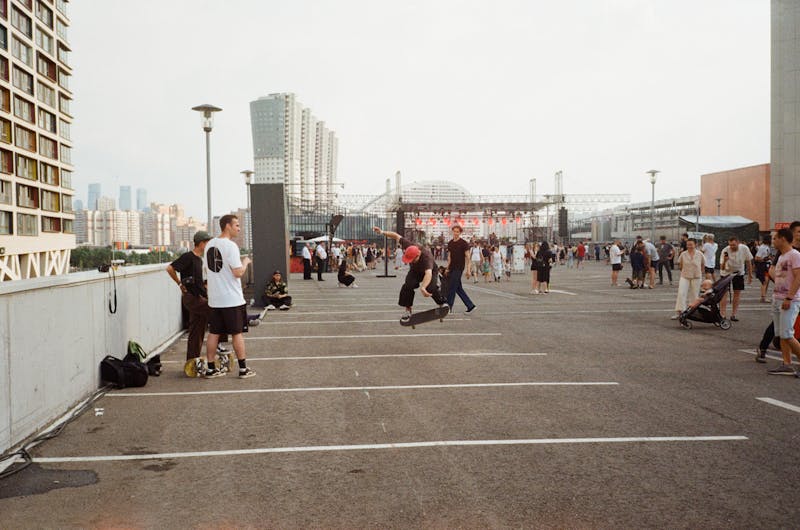
Filming and Production Quality
Filming quality continued to improve in 2025. High-end camera setups, drone shots, and cinematic color grading appeared alongside traditional fisheye follow-filming. The best videos found a balance — using modern production tools without losing the raw, immediate feeling that defines skate video.
Some of the most celebrated parts used deliberately lo-fi approaches: VX1000 cameras, MiniDV footage, and minimal editing. This lo-fi revival was not nostalgic gimmickry but a conscious aesthetic choice that suited certain skaters and spots better than 4K cinema cameras.
Where to Watch
If you want to catch up on the best skating of 2025, platforms like sk8dreams curate and organize video parts so you can find quality footage without digging through algorithm-driven feeds. Full-length videos, individual parts, and curated collections are all available — a better way to discover skateboarding than scrolling through social media.
For more on the history of skateboarding video, check out our guide to the best skateboarding videos of all time.