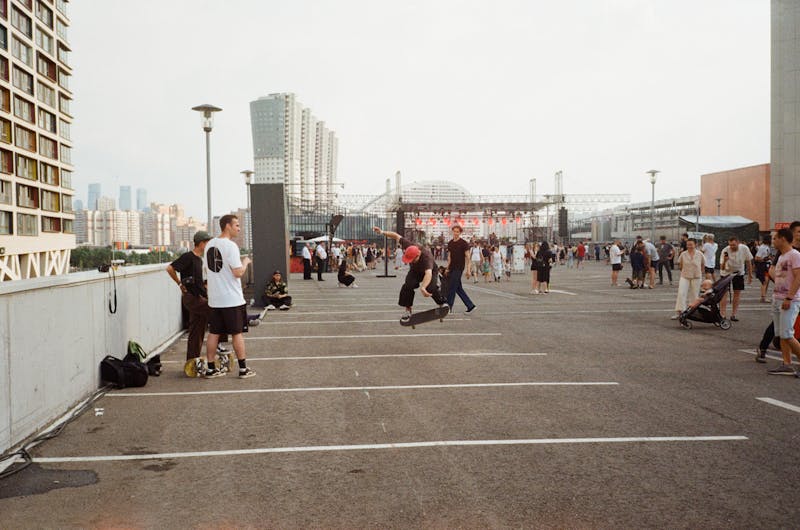
Skateboarding has no stadiums or arenas. Its venues are public spaces — plazas, ledges, stairs, and handrails that were built for other purposes but became famous because skaters saw potential in them. These ten spots are the most iconic in skateboarding history. Some are still skateable; others exist only in footage. All of them shaped the culture.
1. MACBA — Barcelona, Spain
The Museu d'Art Contemporani de Barcelona sits in the Raval neighborhood, fronted by a massive smooth plaza that has been skateboarding's unofficial world capital since the early 2000s. The ground is perfectly smooth granite. The ledges are waxed to perfection by generations of skaters. The architecture provides banks, stairs, gaps, and flat ground in one interconnected space.
MACBA attracts skaters from every country. On any given day, you will find locals, traveling pros, and complete beginners sharing the space. The spot has appeared in more skate videos than any other location on earth. Despite periodic enforcement, the plaza remains skateable and active.
2. Love Park — Philadelphia, USA
JFK Plaza, known universally as Love Park for its iconic LOVE sculpture, was the epicenter of East Coast street skating throughout the 1990s and early 2000s. Smooth granite ledges, stairs, gaps, and the famous fountain area made it a perfect natural skatepark.
Skaters like Stevie Williams, Josh Kalis, and Kerry Getz built their careers at Love Park. The city banned skating in 2002, and a 2016 renovation made the spot largely unskateable. But its influence on skateboarding — establishing Philadelphia as a major skate city — is permanent.
3. Hubba Hideout — San Francisco, USA
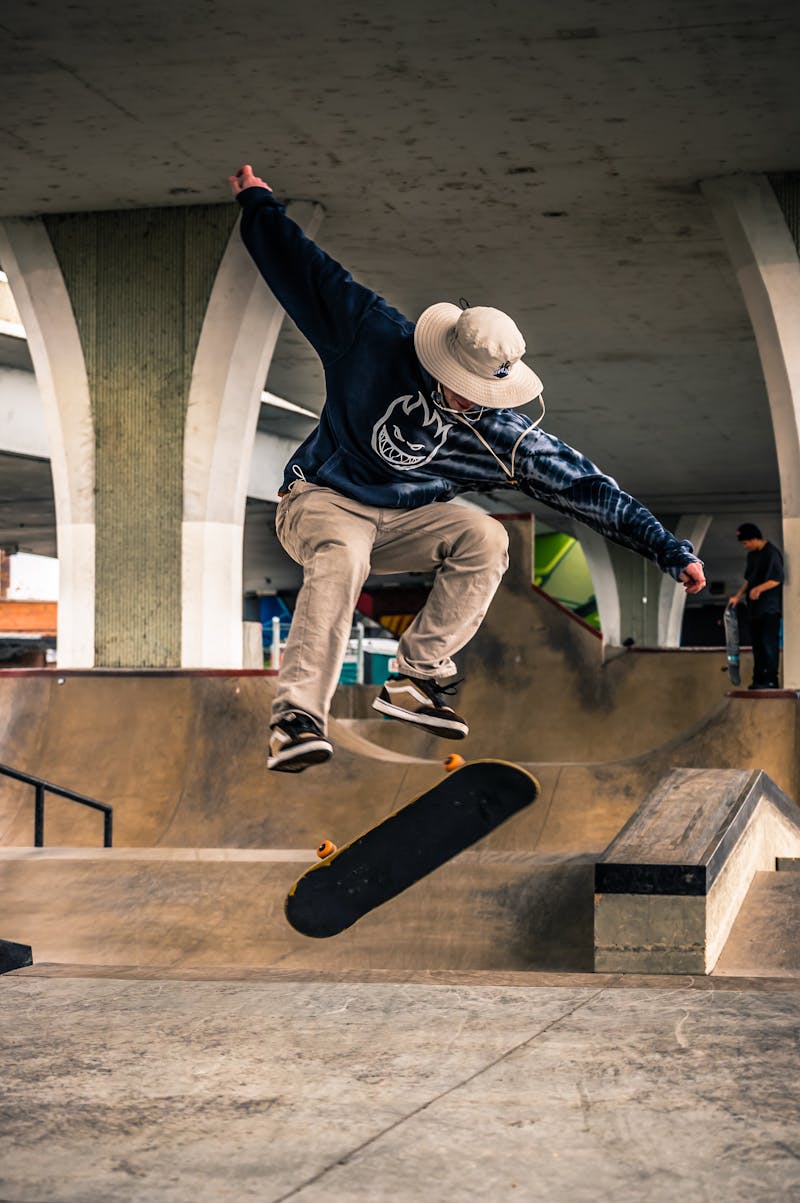
A set of red-brick ledges descending alongside stairs, tucked under an office building near the Embarcadero. Hubba Hideout became the proving ground for ledge and rail tricks throughout the late 1990s and 2000s. If you could land a trick down Hubba, you had arrived.
The spot was demolished in 2016 during construction. It exists now only in footage — hundreds of video parts featuring the distinctive red ledges that defined an era of technical street skating.
4. Southbank — London, England
The undercroft of the Southbank Centre has been London's primary skate spot since the 1970s, making it one of the longest continuously skated spots in the world. The concrete banks, ledges, and flat ground under the brutalist architecture have hosted generations of British skaters.
In 2013, plans to develop the undercroft threatened to destroy the spot. A massive campaign — "Long Live Southbank" — successfully preserved it. Today, it remains active, protected, and central to London's skate identity.
5. Wallenberg — San Francisco, USA
A massive four-stair set in front of a school in the Sunset District. Wallenberg's fame comes from its size — the gap from top to bottom is enormous, making it a test of courage as much as skill. Andrew Reynolds' kickflip down Wallenberg is one of the most celebrated tricks in skateboarding history.
6. El Toro — Lake Forest, California, USA
A twenty-stair handrail at El Toro High School. El Toro is the big stair spot — the one that separates skaters who go big from everyone else. Aaron "Jaws" Homoki's ollie down El Toro is among the most viewed skate clips ever. The school has added skate deterrents, but the spot's legend is cemented.
7. China Banks — San Francisco, USA
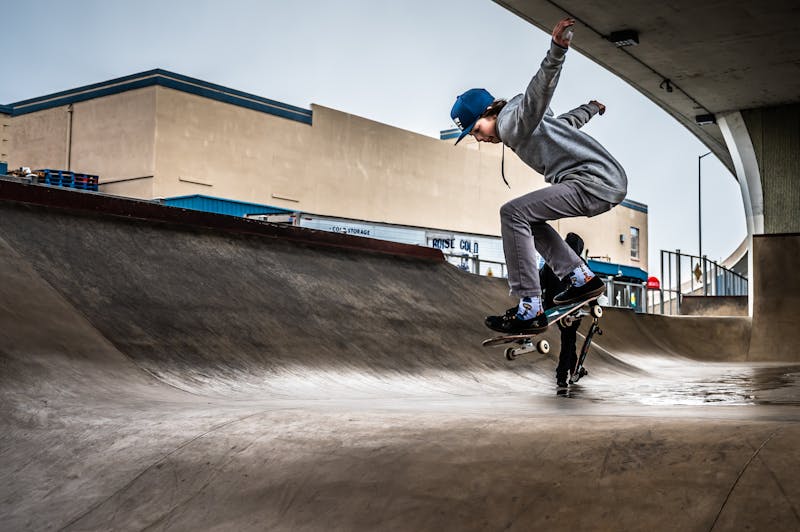
Located in Portsmouth Square in Chinatown, China Banks features brick banks and ledges that have been skated since the 1980s. The spot's transition-style banks attracted both vert and street skaters, making it a crossroads for different skating styles. Mark Gonzales, Karl Watson, and countless others have filmed iconic footage here.
8. Pier 7 — San Francisco, USA
A long pier extending into San Francisco Bay with smooth ground, low ledges, manual pads, and a scenic backdrop. Pier 7 became famous in the late 1990s through footage from skaters like Karl Watson, Erick Koston, and PJ Ladd. The combination of perfect terrain and the dramatic bay setting made every trick look cinematic.
9. Brooklyn Banks — New York City, USA
Located under the Brooklyn Bridge in Manhattan, the Banks featured red-brick banks and a rough urban setting that defined New York skateboarding in the 1990s. Harold Hunter, Zoo York riders, and a generation of NYC skaters made the Banks their home court. Construction closed the spot in 2010, and while partially reopened, the original character has been altered.
10. Leeside — Vancouver, Canada
A DIY concrete park built by skaters under the Georgia Viaduct. Leeside represents the underground, community-driven side of skateboarding — skaters built the obstacles themselves, maintained the spot, and created a space that reflected their needs rather than a city planner's vision. It has become a model for DIY skate spots worldwide.
What Makes a Spot Iconic
These spots share common traits: quality terrain, accessibility, a history of significant footage filmed there, and a community that kept returning. An iconic skate spot is not designed — it is discovered. Skaters find potential in architecture that architects never intended, and through footage, that potential becomes history.
Many of these spots have been demolished, renovated, or restricted. But their footage lives on. Platforms like sk8dreams preserve and curate the best skateboarding footage from legendary spots around the world — making it possible to experience these places even if you cannot visit them in person.