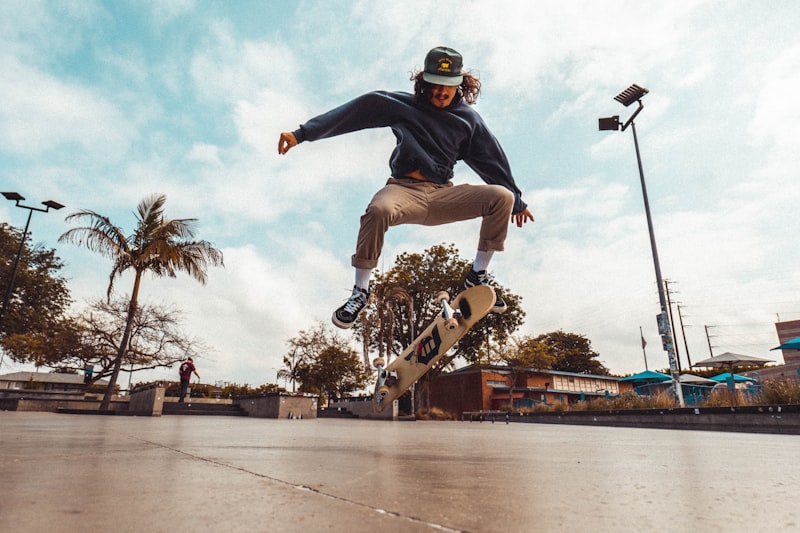
In skateboarding, rivalries rarely play out the way they do in traditional sports. There are no head-to-head matches, no brackets, no scorekeepers. But between 1997 and 2004, Almost Skateboards produced a trilogy of videos that created the most compelling rivalry in skateboarding history: Daewon Song versus Rodney Mullen. Three rounds, two radically different approaches, and a mutual respect that only deepened with each installment.
The Setup: Two Geniuses, Opposite Methods
Rodney Mullen invented modern flatground skateboarding. His approach is scientific — he deconstructs tricks into their component motions, practices obsessively, and builds new tricks from first principles. His skating looks precise, calculated, almost robotic in its perfection. Every flip, every slide, every rotation is engineered.
Daewon Song is the opposite. Born February 19, 1975, in Seoul, South Korea, and raised in Southern California, Song skates with pure intuition. Where Mullen engineers, Song improvises. Where Mullen practices a single trick for months, Song strings together lines spontaneously, reacting to terrain in real time. His skating looks effortless — like he is discovering what is possible at the same moment the camera captures it.
Round 1 (1997)
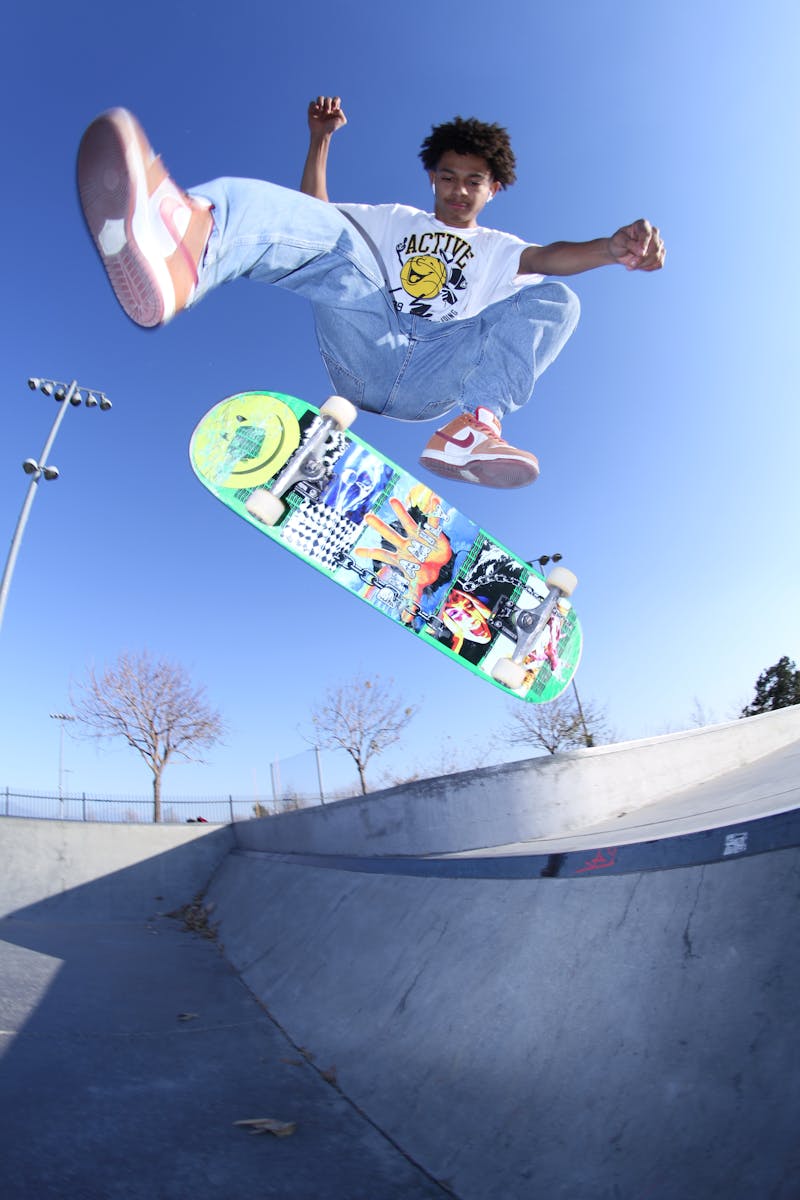
The first installment established the format: alternating parts from each skater, released as a single video. The audience watches one, then the other, and forms their own opinion about who "won."
Round 1 was a revelation. Mullen's part featured his signature flatground wizardry — darkslides, casper slides, primo flips, and combinations that no other human could replicate. Song countered with creative use of everyday objects — skating over picnic tables, incorporating shopping carts, turning parking blocks into manual pads. He showed that technical skating did not have to happen on flat ground alone.
The skating community was divided, and that was exactly the point. Both approaches were valid. Both were pushing skateboarding forward. They were just pushing in different directions.
Round 2 (2002)
Five years later, both skaters had evolved dramatically. Mullen's Round 2 part is considered one of the greatest individual video parts ever filmed. His trick selection was otherworldly — impossibles to switch manual, darkslide variations, and flatground combinations that required inventing entirely new body mechanics.
Song responded with what many consider his best footage. He skated everything: ledges, rails, manual pads, gaps, and flat ground. His lines were longer, his trick selection more varied, and his natural style made everything look casual. Song proved he could match Mullen's technical difficulty while maintaining a flow that Mullen's methodical approach could not replicate.
Round 2 solidified the rivalry as more than marketing. Both skaters were genuinely motivated by each other's footage. In interviews, both admitted that knowing the other's part would appear alongside theirs drove them to skate harder.
Round 3 (2004)
The final installment arrived with enormous expectations, and it delivered. By Round 3, both skaters had absorbed elements of each other's approach. Mullen was skating more obstacles, incorporating ledges and rails into his flatground lines. Song was landing increasingly technical flip tricks, showing that his intuitive method could produce precision rivaling Mullen's systematic approach.
Round 3 also showcased the physical toll. Both skaters dealt with injuries throughout filming. Mullen, in particular, was battling chronic hip problems that would eventually require surgery. The footage carries a weight that the earlier rounds lacked — these were not young skaters exploring their limits but veterans pushing through pain to create something definitive.
Why It Matters
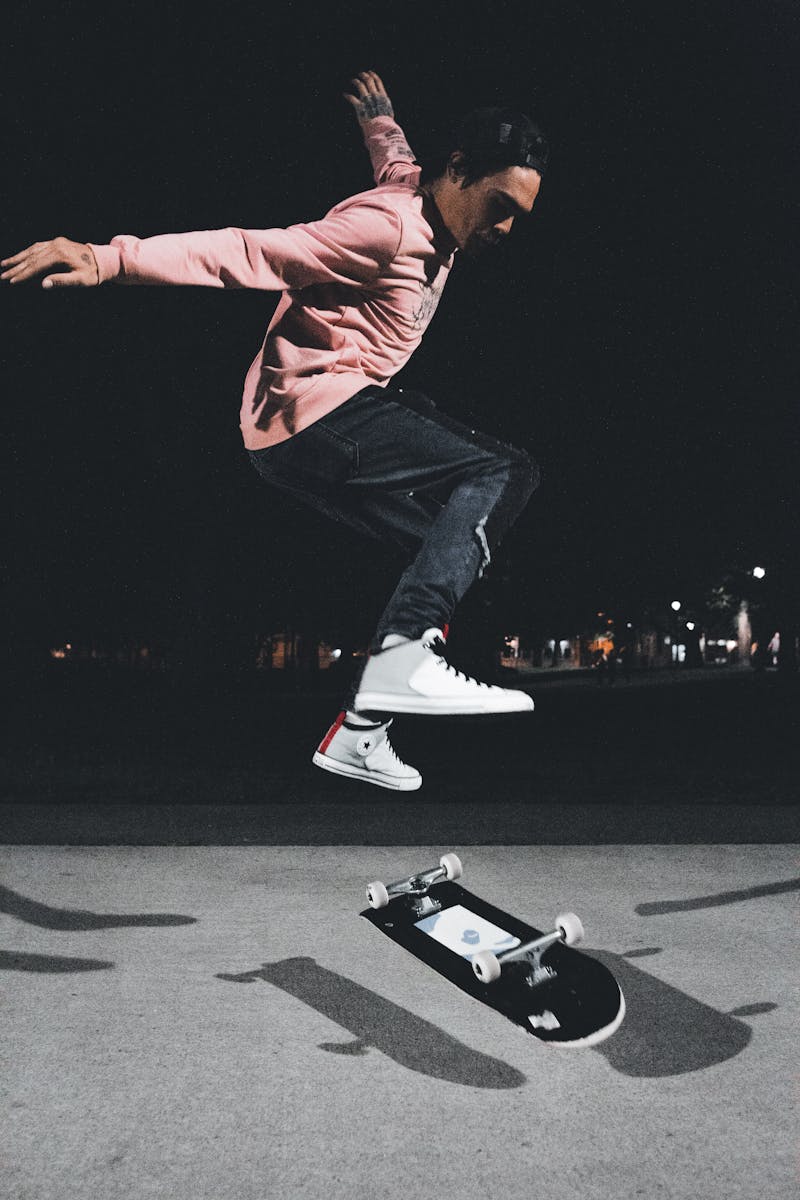
The Round series matters because it demonstrated something essential about skateboarding: there is no single correct way to do it. Mullen's scientific precision and Song's intuitive flow are both legitimate paths to greatness. The rivalry was not about one approach defeating the other — it was about two approaches elevating each other.
In traditional sports rivalries, one side wins and the other loses. In the Daewon vs Rodney series, both won. Both produced the best footage of their careers. Both pushed each other to innovate in ways they might not have alone. And both showed the skating world that skateboarding is big enough for radically different visions of what it can be.
Beyond the Rivalry
After the Round trilogy, Song and Mullen remained close. They co-founded Almost Skateboards together and continued to share footage and ideas. Song went on to release numerous other influential video parts, including footage for Thank You Skateboards, the company he later founded. Mullen continued his relentless innovation, working on new trick concepts well into his fifties.
The mutual respect between the two is genuine. In interviews spanning decades, neither has said a negative word about the other. They recognized early that their opposition was creative, not personal — and that the skating world benefited from having both perspectives.
Where to Watch
The Round 1-3 videos remain essential viewing for anyone who cares about skateboarding. They capture two of the greatest skaters at their creative peaks, pushing each other to redefine what is possible on a skateboard. Explore technical street skating on sk8dreams to see the lineage these two legends created.