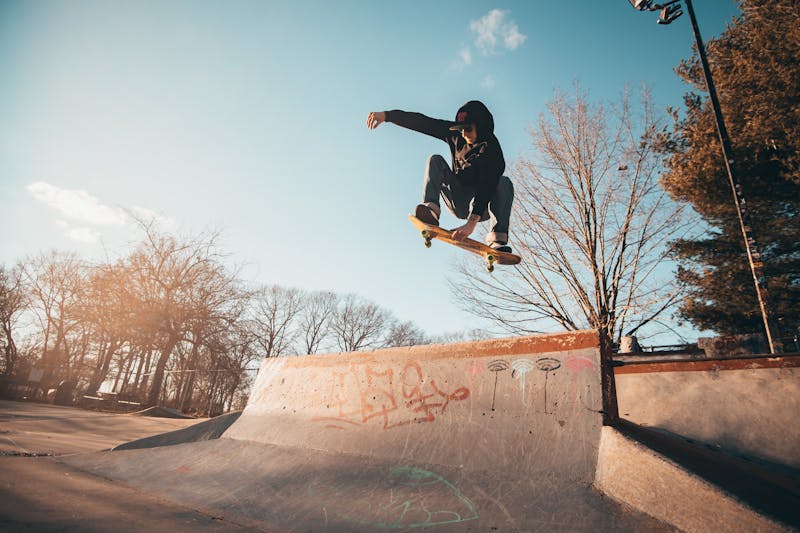
Nyjah Imani Huston, born November 30, 1994, in Davis, California, is the highest-paid and most decorated competitive skateboarder in history. With multiple Street League Skateboarding (SLS) championships, X Games gold medals, and an Olympic bronze, Huston has dominated contest skating for over a decade. Yet his career is as controversial as it is successful — polarizing fans who debate whether contest dominance equals skateboarding greatness.
The Prodigy Years
Huston turned professional at age 11, making him one of the youngest pro skaters ever. His early career was shaped — and complicated — by his father, Adeyemi Huston, who managed his skating with an intense, demanding approach. The family lived in a compound in Puerto Rico where skateboarding was treated as a full-time discipline. Nyjah's father controlled every aspect of his life and career.
By his mid-teens, Nyjah had separated from his father's management and moved back to California. The split was painful but liberating. Freed from that rigid structure, Huston's skating evolved from robotic precision into something more personal — though "personal" for Nyjah still meant winning everything in sight.
Street League Dominance
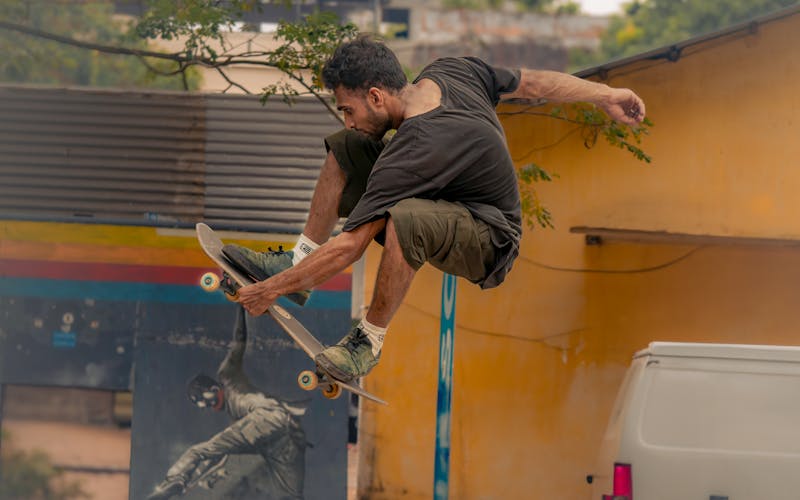
Street League Skateboarding, founded by Rob Dyrdek in 2010, created a standardized format for judging street skating. Huston thrived in this environment. While other skaters struggled with the pressure of performing tricks on demand, Huston seemed energized by it.
His SLS record is staggering:
- Multiple SLS Super Crown World Championships
- The highest single-trick scores in SLS history
- A consistency rate that dwarfs every other competitor
Huston's contest approach is methodical. He has a deep trick bag, but more importantly, he knows how to deploy it strategically. He saves his hardest tricks for when the score demands them. He rarely falls in competition. And when he does fall, he has the mental resilience to land the trick on the next attempt.
The Olympic Journey
When skateboarding entered the Olympics at Tokyo 2020, Huston was the heavy favorite. The result was complicated — he did not medal in Tokyo, struggling with the pressure and the unique format. But at Paris 2024, he returned with a bronze medal, proving he could perform on the biggest stage in sports.
The Olympic experience highlighted a tension in skateboarding: the sport's countercultural roots versus the structured, judged format of the Games. Huston represents the competitive side of that divide — a skater who is most alive when there is something to win.
Style and Criticism
Huston's skating divides opinion. His supporters point to his unmatched consistency, his ability to land tricks in high-pressure moments, and his progression of technical difficulty. His critics argue that his style lacks the fluidity and creativity of skaters like Mark Gonzales or even his contemporaries like Yuto Horigome.
The criticism is not entirely fair. Huston skates to win competitions, and competitions reward difficulty and consistency over artistic expression. Within those parameters, he is virtually unbeatable. But skateboarding has always valued style alongside substance, and Huston's aggressive, power-based approach does not resonate with every viewer.
Video Parts
Outside of contests, Huston has released several notable video parts:
- 'Til Death (2018): A raw, powerful part that showed Huston skating massive handrails and gaps. The ender — a switch crooked grind down a huge rail — silenced many critics.
- Need That (2022): His Disorder brand video demonstrated maturity and a willingness to skate diverse terrain.
- Various Nike SB parts: As Nike's flagship skater, Huston has appeared in multiple promotional parts that showcase his technical range.
Off the Board
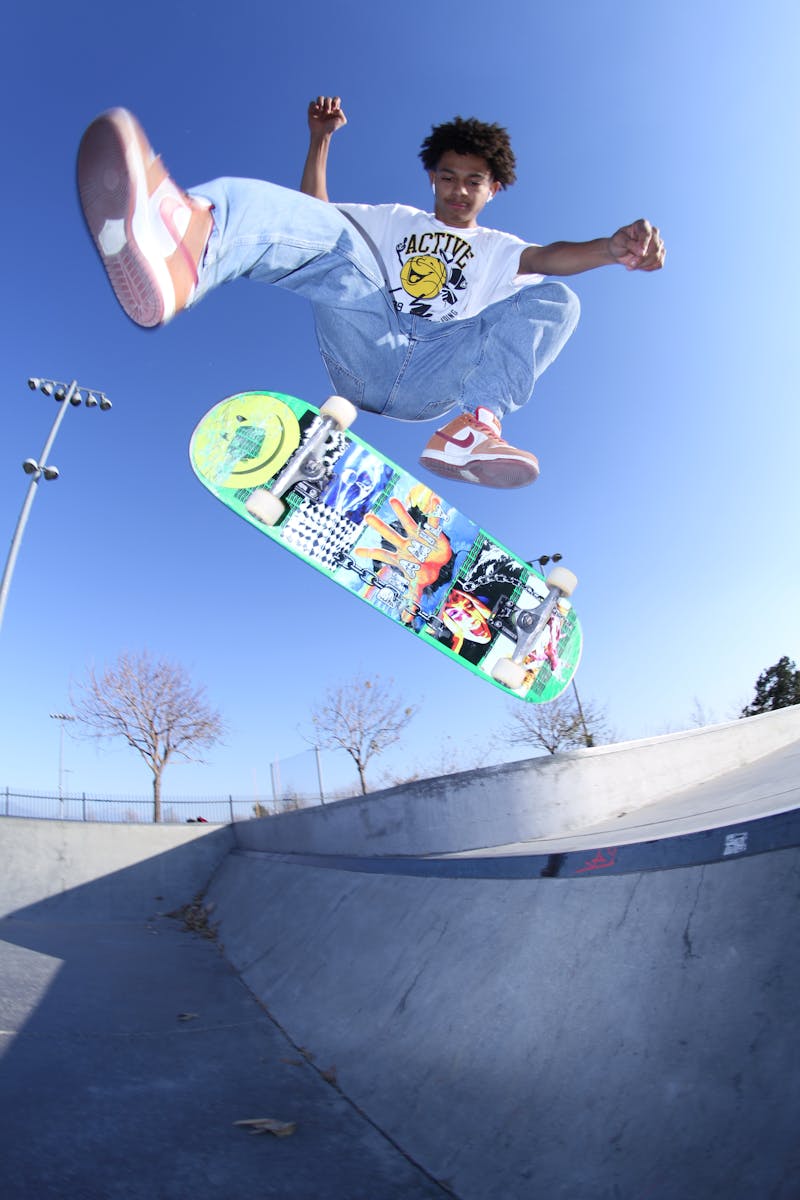
Huston's life outside skating has also drawn attention. He has been open about past controversies and personal growth, and his social media presence shows a skater who enjoys the lifestyle that his success affords — luxury cars, travel, and a public profile that extends beyond skateboarding.
He founded Disorder Skateboards, giving him creative control over his brand identity. The company reflects his personality: bold, unapologetic, and focused on performance.
Legacy
Whether you love his approach or prefer the artistic side of skateboarding, Nyjah Huston's competitive record is undeniable. He has won more prize money, more titles, and more consistently than any street skater in history. His X Games gold medal count alone surpasses most skaters' entire trophy collections, and his earnings from competition and sponsorships have set a benchmark for what is financially possible in professional skateboarding. In an era where skateboarding straddles the line between counterculture and mainstream sport, Huston represents the athletic extreme — proof that skateboarding, when treated as a competitive discipline, can produce athletes of extraordinary caliber.
Watch competitive street skating and more on sk8dreams — from contest highlights to raw street footage, the full spectrum of skateboarding culture lives here.